IIoT vs IoTIIoT vs IoT KEY TAKEAWAYS A breakdown of IoT connected smartdevices is only a momentary inconvenience. The collapse or breach of IIoTdevices, on the other hand, can stall entire factories, TV networks, airports,hospitals and more.
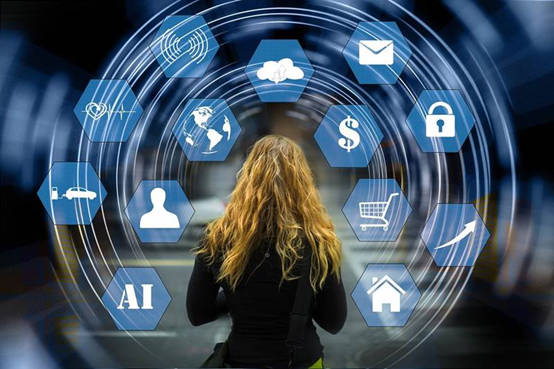
What is IIoT and How is it Differentfrom IoT?Industrial Internet of Things (IIoT) refersto industrial devices that are connected to wireless networks, allowing thesedevices to be monitored and to communicate with other devices. In contrast,Internet of Things (IoT) refers to wirelessly connected devices in a businessor home environment. Internet of Things (IIoT)Think of your door locks, heating system,doorbell, car, TV or other consumer appliances, all of which can be controlledfrom your smartphone simply with a swipe, simple voice command, or sometoggling with the security settings. These are all Internet of Things, whereobjects are connected to the digital world for regulation. Examples:
Industrial Internet of Things (IIoT)
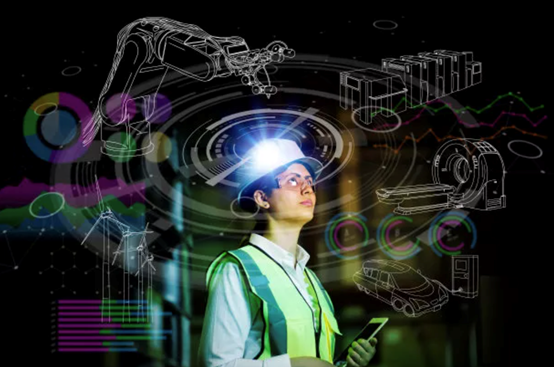
The defining difference between Internet ofThings (IoT) and Industrial Internet of Things (IIoT) is their general usage.While IoT is most commonly used for consumer usage as well as general retailbusiness use and related uses, IIoT is used for industrial purposes such asmanufacturing, supply chain monitoring and management systems. Major differences between IIoT and IoT arescale operations and the volume of data gathered. IIoT devices typically amasshuge amounts of data in contrast to IoT devices that generate relatively farless data. A single turbine compressor blade, for example, generates morethan 500 gigabytes of data per day. In general, IIoT also may use more sensitive and precisesensors, including more location-aware technology Finally, IoT is small scale compared to IIoT that impacts billions ofpeople across networks of industries, institutions, geographical localities,even countries. Examples:
“Travelling fourkilometers multiple times a day to just water the fields takes a lot of timeand a lot of petrol is wasted.” Gangaiah P, a farmer from Telangana’sKarimnagar district said in an interview with Better India. “One day otherfarmers in the area using the device told me about KisanRaja. Since I startedusing KisanRaja about five years back, I no longer have to go and switch on thepumps as I can do it from home.” Other examplesare restaurant and food robots that cook, deliver and serve food in places thatinclude restaurants, malls, and hospitals, saving staff from potentialinfection. (In China, bed-ridden teens control these robots from their hospitalbeds). Chowbotics’ Sally, for instance, makes 65 salad bowls a day forinstitutions that include the U.S. Department of Defense. Furtherexamples: Drones to monitor oil pipelines, sensors to monitor smart factories,smart parking where drivers use apps to find available parking lots;and sensor-equipped waste and recycling stations that communicate inreal-time to streamline waste management operations. The Internet ofThings is predicted to massively impact road, rail, air and sealogistics where the advent of 5G speeds up transportation of goods in each ofthese hubs. Look to a future of large networks of trains, ships, cars andplanes, helped along by robots and drones, intercommunicating with one anotherin real-time to track and facilitate deliveries. In short, IIoTis a thriving industry predicted to increase manufacturing productivity by10 to 25% and to produce up to $1.8 trillion in global economic value by2025. Widespread adoption of predictive maintenance technologies alone couldreduce companies’ maintenance costs by 20%, reduce unplanned outages by 50% andextend machinery life by years according to management consultingfirm McKinsey & Company. PrevKilobyte (KB)
NextGigabyte
|